
CAGIVA 125 MITO 1993 ZÁVODNÍ MOTOCYKLOVÉ KAPOTÁŽE
Závodní kapotáže pro 1993 Cagiva 125 Mito – jednu z nejranějších a nejklasičtějších verzí (spadající do počátečního stylu repliky „Lawson“) – jsou specializované komponenty nezbytné pro závody dvoutaktních motocyklů. Tyto sady umožňují výrazné snížení hmotnosti, zlepšují aerodynamiku při vysokých rychlostech a poskytují nezbytnou ochranu. Jsou vyrobeny z odolného, na závodní dráze prověřeného sklolaminátu (GRP/FRP), často vyztuženého kevlarem a uhlíkem (K-K), aby odolaly nárokům klasických závodů.



Řazení produktů
Značky
Výpis produktů
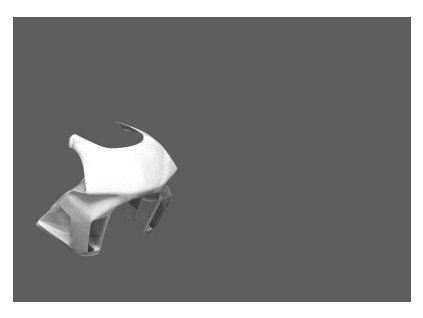
Závodní motocyklové kapotáže - Cagiva 125 MITO 93 VRCHNÍ DÍL - C001002 - can be produce in fiberglass.
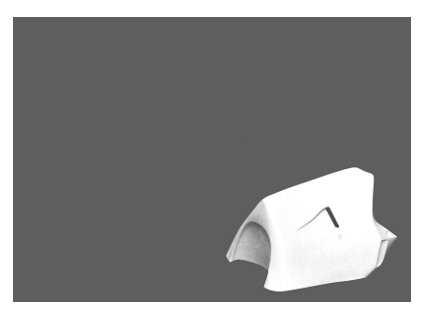
Závodní motocyklové kapotáže - Cagiva 125 MITO 93 SPODNÍ DÍL - C001006 - can be produce in fiberglass.
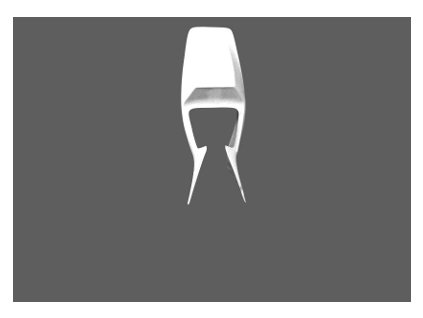
Závodní motocyklové kapotáže - Cagiva 125 MITO 93 SEDADLO - C001008 - can be produce in fiberglass.
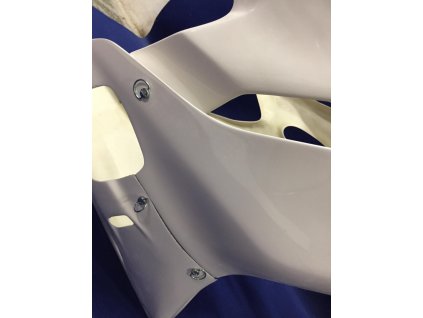
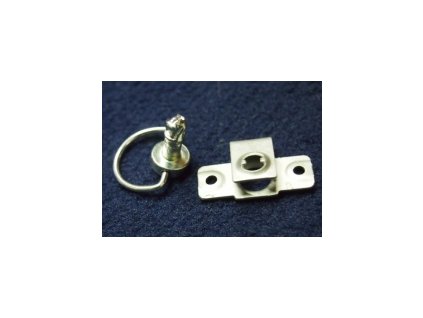
Montáž a vrtání Rychloúpínáků je služba, při které vyvrtáme otvory a namontujeme rychloupínáky za vás. Tato služba zahrnuje všechny spojovací prvky, které potřebujete pro tuto...
Ovládací prvky výpisu
Cagiva Mito 1993 – raný podvozek Mk1 a autenticita na trati
Model z roku 1993 je součástí první generace modelu Mito a vyznačuje se jedinečnými detaily výbavy, které jej odlišují od pozdějších verzí. Závodní karoserie se zaměřuje na zjednodušení tohoto klasického designu při striktním dodržování bezpečnostních předpisů.
1. Výběr materiálu a klasické závodní požadavky:
| Typ materiálu | Hlavní výhoda | Použití v závodech Mito v roce 1993 |
| GRP (sklolaminát) | Cenově výhodná odolnost a flexibilita. | Preferovaný materiál pro klasické a vintage závody. Snadno se opravuje, udržuje náklady na přijatelné úrovni pro soukromé týmy a poskytuje nezbytnou strukturální integritu. |
| Kevlar-uhlík (K-K) | Cílená bezpečnost a odolnost proti proražení. | Důrazně doporučeno pro utěsněný spodní kryt (břišní kryt) a montážní body. Zesílení je nezbytné, aby se zabránilo roztržení a zajistilo, že požadovaná oblast pro zachycení tekutin zůstane po nehodě na trati neporušená. |
| CFRP (plně uhlíkové vlákno) | Lehkost specializovaných komponentů. | Používá se selektivně pro nestrukturální díly (blatníky, kryty řetězu), kde je požadována minimální hmotnost a prvotřídní povrchová úprava. |
2. Základní komponenty a vlastnosti závodního kapotáže:
Kapotáže eliminují silniční vybavení a soustředí se výhradně na výkon na trati a dodržování bezpečnostních předpisů.
-
Volný prostor pro výfuk je zásadní: Spodní kapotáž (podvozek) musí být pečlivě tvarována, aby poskytovala dostatek prostoru pro specifické vedení aftermarketových závodních expanzních komor (výkonných výfuků), které jsou nezbytné pro maximalizaci výkonu dvoutaktního motoru. Tato vana musí být utěsněná, jednodílná, aby zadržovala kapalinu.
-
Aerodynamické zjednodušení: Horní kapotáž nahrazuje původní těžkou sestavu silničních světlometů hladkým, lehkým závodním nosem. To výrazně snižuje čelní odpor a statickou hmotnost v horní části podvozku.
-
Zadní část: Závodní sedadlo je minimalistická skořepina, která nahrazuje těžkou sestavu sedadla spolujezdce/pomocného rámu a poskytuje stabilní, lehkou platformu vybavenou pěnovou podložkou s vysokou přilnavostí pro optimální ovládání jezdcem.
-
Poznámka k montáži: Jelikož se jedná o starší model, ujistěte se, že jsou kapotáže kompatibilní s konkrétním pomocným rámem a montážními úchyty modelu z roku 1993, aby nedošlo k problémům s montáží.
Kapotáže jsou navrženy pro použití s rychloupínacími spojovacími prvky, které zjednodušují montáž a demontáž na trati. Vrtání a samotné rychloupínací prvky však nejsou součástí sady a je nutné je objednat samostatně.