
APRILIA RS/RSV 250 Rennverkleidungen & Karosserie
Die Rennverkleidungen für die legendäre Aprilia RS 250 (und ihr GP-Rennpendant, die RSV 250) wurden speziell für die hohen Anforderungen des Zweitakt-Rennsports entwickelt. Diese Kits sind unerlässlich, um maximale Leichtigkeit, hohe strukturelle Steifigkeit und ausgezeichnete aerodynamische Stabilität zu erreichen, die für die wettbewerbsorientierten 250-ccm-Klassen entscheidend sind. Sie sind hauptsächlich in GFK (FRP/Fiberglas) und Kohlefaser (CFRP) erhältlich und vereinfachen die schnelle Anpassung des Motorrads an der Rennstrecke, während sie gleichzeitig die vorgeschriebene FIM-Konformität gewährleisten.


Meistverkauft
Produktsortierung
Marken
Liste der Produkte
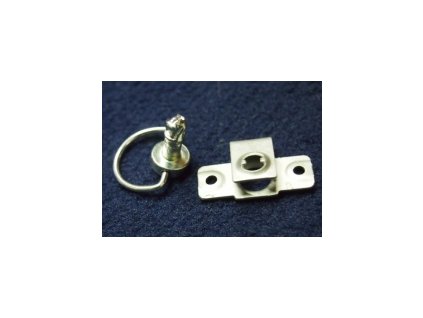
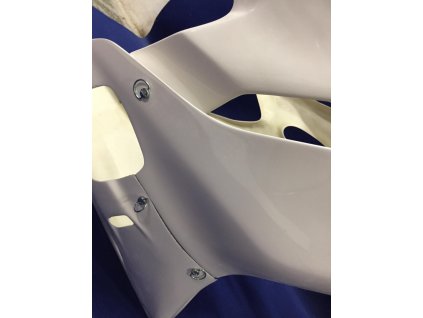
Motorrad rennverkleidung für MONTAGE DER BEFESTIGUNGEN - Kann aus Glasfaser, Carbon oder Kevlar-Carbon hergestellt werden.
Steuerelemente der Liste
Fokus: RS 250 – Zweitakt-Leistung und Gewichtsreduzierung
Die RS 250 ist eine legendäre Zweitaktmaschine, die höchste Aufmerksamkeit in Bezug auf Gewicht und Handling erfordert.
1. Materialauswahl und Rennanforderungen:
| Materialtyp | Kernvorteil | Spezifischer Vorteil für RS 250-Rennen |
| GFK (Glasfaserverstärkter Kunststoff) | Ideale Balance zwischen Kosten, Gewicht und Haltbarkeit. | Die Standardwahl für Privatfahrer. Moderne GFK-Verkleidungen verwenden oft hochwertige Epoxidharze (anstelle von Polyester), um eine bessere Flexibilität und weniger Rissbildung als bei älteren Glasfasern zu erzielen. |
| Kevlar-Carbon (K-K) | Gezielte Verstärkung für Belastungspunkte. | Hersteller verstärken häufig Befestigungspunkte (seitliche Stopfenbereiche) und die untere Verkleidung mit Kevlar, um Ausfälle durch Vibrationen und kleinere Verrutschungen zu verhindern. |
| CFRP (Vollcarbon) | Absolut minimale Masse. | Wird von hochkarätigen Teams verwendet, um das Motorrad auf das Mindestgewicht zu bringen. Carbon ist leichter und steifer als GFK und bietet präzise aerodynamische Eigenschaften, ist jedoch teurer und kann bei starken Stößen zerbrechen. |
2. Designelemente und aerodynamische Einfachheit:
Die Rennverkleidungen für die RS 250 sind oft so gestaltet, dass sie den Werks-250-GP-Motorrädern nachempfunden sind und klare Linien und einen reduzierten Luftwiderstand bieten.
-
Schlankes GP-Profil: Im Gegensatz zu Straßenverkleidungen verfügen Rennverkleidungen oft über eine schmalere, weiter nach vorne gezogene obere Verkleidung und eine minimalistische Nasenkonus (ohne Scheinwerferbaugruppen). Dies verbessert die Tuck-Position des Fahrers und reduziert die Gesamtfrontfläche für weniger Luftwiderstand.
-
Abstand zur Auspuffkammer: Das Design der unteren Verkleidung ist von entscheidender Bedeutung. Sie muss speziell konturiert sein, um ausreichend Freiraum für nachgerüstete Renn-Auspuffkrümmer (Auspuffanlagen) zu bieten und gleichzeitig eine abgedichtete, einteilige Einheit zu bilden, die Flüssigkeiten (Öl/Kühlmittel) zurückhält. Dieser Bereich ist oft unten geteilt, um die Montage zu erleichtern.
-
Schneller Zugang und Wartung: Verkleidungen sind in der Regel so konstruiert, dass sie schnell entfernt werden können, indem anstelle herkömmlicher Schrauben GP-Stutzen und „R“-Klammern verwendet werden, was einen schnellen Wechsel der Düsen und den Zugang zur Wartung des kompakten Zweitaktmotors ermöglicht.
3 -
Vereinfachter Heckbereich: Die Rennsitzbank ist kompakt und leicht, oft selbsttragend, wird direkt am Hilfsrahmen montiert und verfügt über ein rutschfestes Rennschaumstoffpolster, das für den Halt des Fahrers und die Gewichtsverlagerung unerlässlich ist.
3. Sebimoto und historische Wettbewerbe:
Die RS 250 ist seit jeher ein fester Bestandteil der 250-ccm-Rennen weltweit, und Sebimoto ist einer der Hersteller, die für ihre Unterstützung dieser langlebigen Plattform bekannt sind.
-
Passgenauigkeit: Qualitätsbewusste Hersteller bieten Kits an, die die Unterschiede zwischen den Mk1- (1995–1997) und Mk2-Modellen (1998–2004)Modelle berücksichtigen und sicherstellen, dass Komponenten wie die Sitzeinheit und der Tacho korrekt passen.
4 -
Bewährte Erfolgsbilanz: Diese Verkleidungen basieren auf jahrzehntelanger Rennerfahrung und bieten eine kostengünstige und strukturell solide Lösung für Fahrer in Vintage- und modernen 250-ccm-Rennen.
Die Ausstattung der Aprilia RS 250 mit einer speziellen Rennkarosserie ist ein wesentlicher Schritt, um ihr Erbe als Zweitakt-Rennmaschine voll auszuschöpfen und Konformität, Leichtigkeit und aerodynamische Effizienz zu gewährleisten.